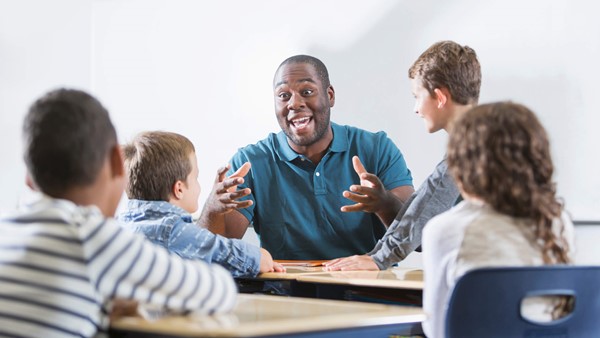
5 Innovative Teaching Tricks to Boost Student Engagement
In today's rapidly evolving educational landscape, keeping students engaged is more crucial than ever. Here are 5 innovative teaching tricks that can make learning more interactive and enjoyable:
- Gamification: Integrate game mechanics into lessons to encourage participation. Platforms like Kahoot allow teachers to create quizzes that make learning competitive and fun.
- Flipped Classroom: Empower students by flipping traditional teaching methods. Assign videos or reading materials for homework, and use class time for discussions and activities, fostering a deeper understanding of the subject.
- Interactive Technology: Incorporate interactive tools such as smartboards and educational apps. Tools like Padlet enable collaborative learning, allowing students to share ideas in real time.
- Student-Centered Projects: Encourage students to take ownership of their learning through projects based on their interests. This approach not only boosts engagement but also cultivates creativity and critical thinking.
- Real-World Connections: Make lessons relatable by connecting them to real-world scenarios. Inviting guest speakers or arranging field trips can provide students with a greater perspective on the subject matter.
How to Transform Classroom Management with Simple Techniques
Effective classroom management is crucial for creating an optimal learning environment. Teachers can transform their approach by implementing simple but powerful techniques that boost engagement and reduce disruptions. One of these techniques includes establishing clear classroom rules at the beginning of the school year. For more information on rule-setting, check out this article from Edutopia. Additionally, employing positive reinforcement strategies helps to encourage desirable behaviors among students.
Another impactful technique is the use of visual aids to convey expectations and procedures. Integrating charts or graphs visibly in the classroom can serve as constant reminders for students. Furthermore, active listening is essential; showing students that their voices matter promotes a level of respect and cooperation that can revolutionize classroom dynamics. For further insights on fostering effective communication, visit TeachHub.
What Are the Most Effective Strategies for Teaching Diverse Learners?
Teaching Diverse Learners requires a strategic approach that acknowledges the varied backgrounds, learning styles, and needs of each student. One of the most effective strategies is the implementation of differentiated instruction, which allows educators to tailor their teaching methods to meet the unique requirements of each learner. This can involve adjusting the content, process, product, or learning environment based on student readiness, interests, and learning profiles. Additionally, fostering a culturally responsive pedagogy is essential, as it not only validates students' experiences but also encourages their active engagement in the learning process.
Another key strategy is the use of multi-sensory instruction, which addresses the various sensory modalities through which students learn best. Incorporating visual aids, hands-on activities, and auditory resources can significantly enhance comprehension and retention among diverse learners. Moreover, establishing a supportive classroom environment that encourages collaboration and peer learning can help build a community where all students feel valued and included, leading to improved academic performance for everyone.