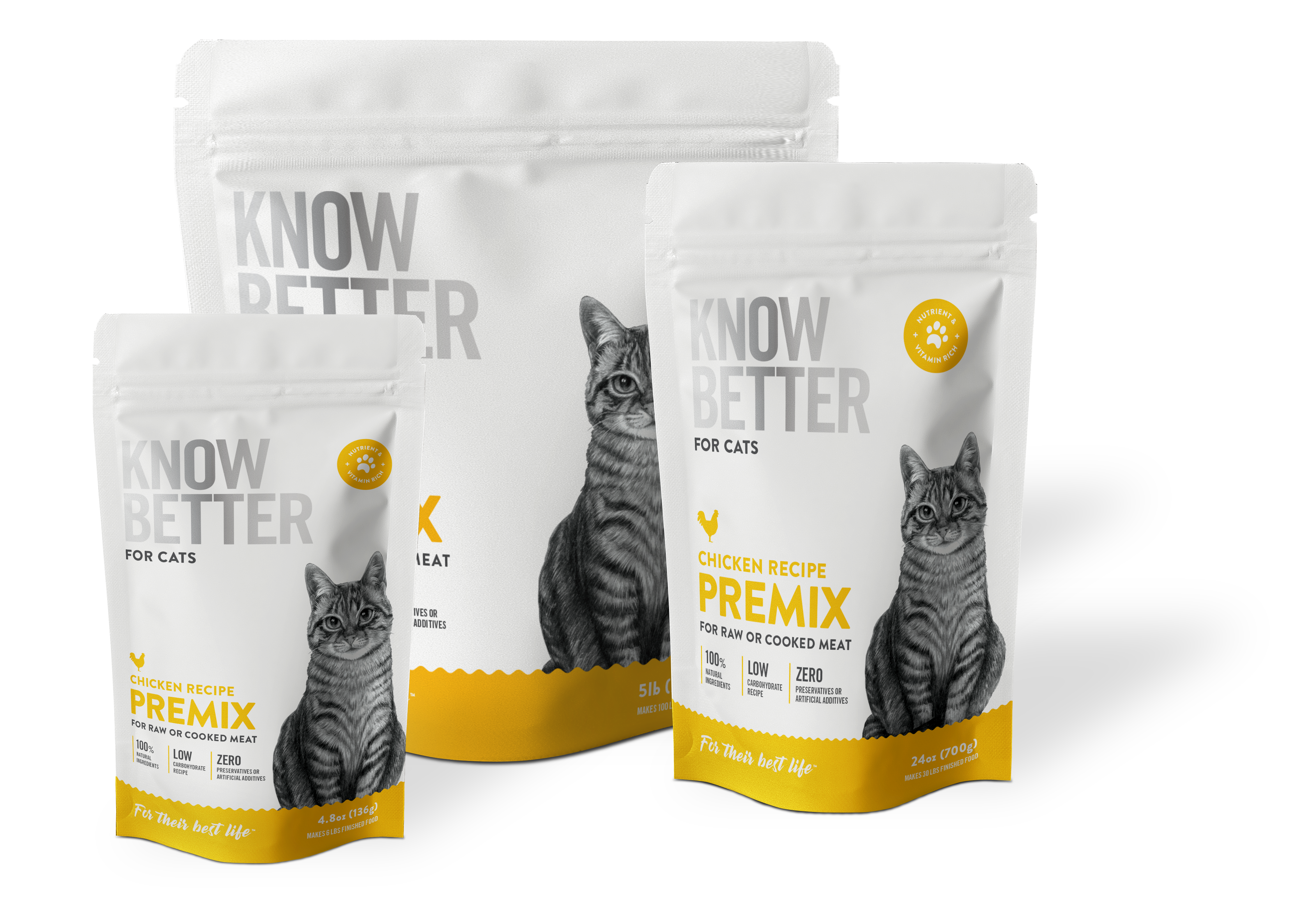
5 Essential Ingredients for a Balanced Pet Diet
Creating a balanced pet diet is crucial for the overall health and well-being of your furry friends. A well-rounded diet ensures that pets receive all the necessary nutrients they need to thrive. Here are five essential ingredients that should be included in every pet's diet:
- High-Quality Protein: Proteins are vital for your pet’s growth and energy levels. Sources like chicken, beef, and fish provide essential amino acids. For more information on protein requirements, check out PetMD.
- Healthy Fats: Omega-3 and Omega-6 fatty acids play a significant role in maintaining skin and coat health while also supporting brain function. Quality fats can be found in fish oil and flaxseed oil.
In addition to protein and fats, consider incorporating:
- Whole Grains: Grains like brown rice and oats provide essential carbohydrates and help in maintaining a stable energy level.
- Fruits and Vegetables: These are excellent sources of vitamins and antioxidants, which aid in digestion and overall wellbeing. Popular choices include carrots, blueberries, and spinach.
- Probiotics: These beneficial bacteria support digestive health and enhance nutrient absorption. You can find probiotics in high-quality commercial pet foods or as supplements.
For a deeper understanding of pet nutrition, visit the American Veterinary Medical Association.
Homemade Treats: What’s Safe and Healthy for Your Dog?
When it comes to homemade treats, ensuring the safety and health of your dog is paramount. Many common ingredients in human food can be harmful to dogs, so it’s crucial to stick to safe options. Some great choices for homemade dog treats include:
- Peanut butter (make sure it's xylitol-free)
- Pumpkin puree
- Carrots
- Bananas
- Oats
Always remember to introduce new ingredients slowly and observe your dog for any signs of allergies or digestive issues. For more information on safe ingredients, check out this resource from the AKC.
In addition to safety, focusing on the health benefits of your homemade treats can contribute to your dog’s well-being. Incorporating ingredients that are rich in nutrients can make your treats not just tasty, but also beneficial. For instance, adding sweet potatoes is a fantastic choice as they are high in fiber and vitamins. Additionally, consider making treats with this guide that discusses healthy recipes packed with nutrients, such as:
- Chicken and brown rice bites
- Blueberry and oat cookies
- Salmon and sweet potato chews
By creating these nutritious snacks, you can not only pamper your pup but also support their health!
Can Cats Be Vegetarian? Debunking Common Myths
When it comes to the dietary needs of cats, the question can cats be vegetarian? often arises due to a growing trend in plant-based diets among humans. However, cats are obligate carnivores, which means that their bodies are specially adapted to thrive on animal-based proteins. Unlike some other mammals, cats lack certain digestive enzymes that are necessary to metabolize plant-based proteins effectively. According to the Cornell University College of Veterinary Medicine, essential nutrients such as taurine, arachidonic acid, and vitamin A are primarily found in meat, making it critical for a cat's overall health.
Furthermore, feeding a cat a strictly vegetarian diet can lead to serious health issues, including nutritional deficiencies and potential organ damage. Many myths suggest that cats can thrive on a vegan diet or that plant supplements can adequately replace meat, but these claims are unsubstantiated. The American Society for the Prevention of Cruelty to Animals (ASPCA) emphasizes that a well-balanced diet for cats includes animal protein to maintain optimal health and prevent conditions such as blindness and heart disease. Thus, understanding the nutritional needs of cats is crucial in debunking the myth that they can be vegetarians.